

Italy · Andretta, Campania

A 189 MWh outdoor BESS on roughly 0.7 hectares of agricultural land, connecting underground at 150 kV into Terna’s existing Bisaccia 380/150 kV substation — an antenna configuration through a shared bay.
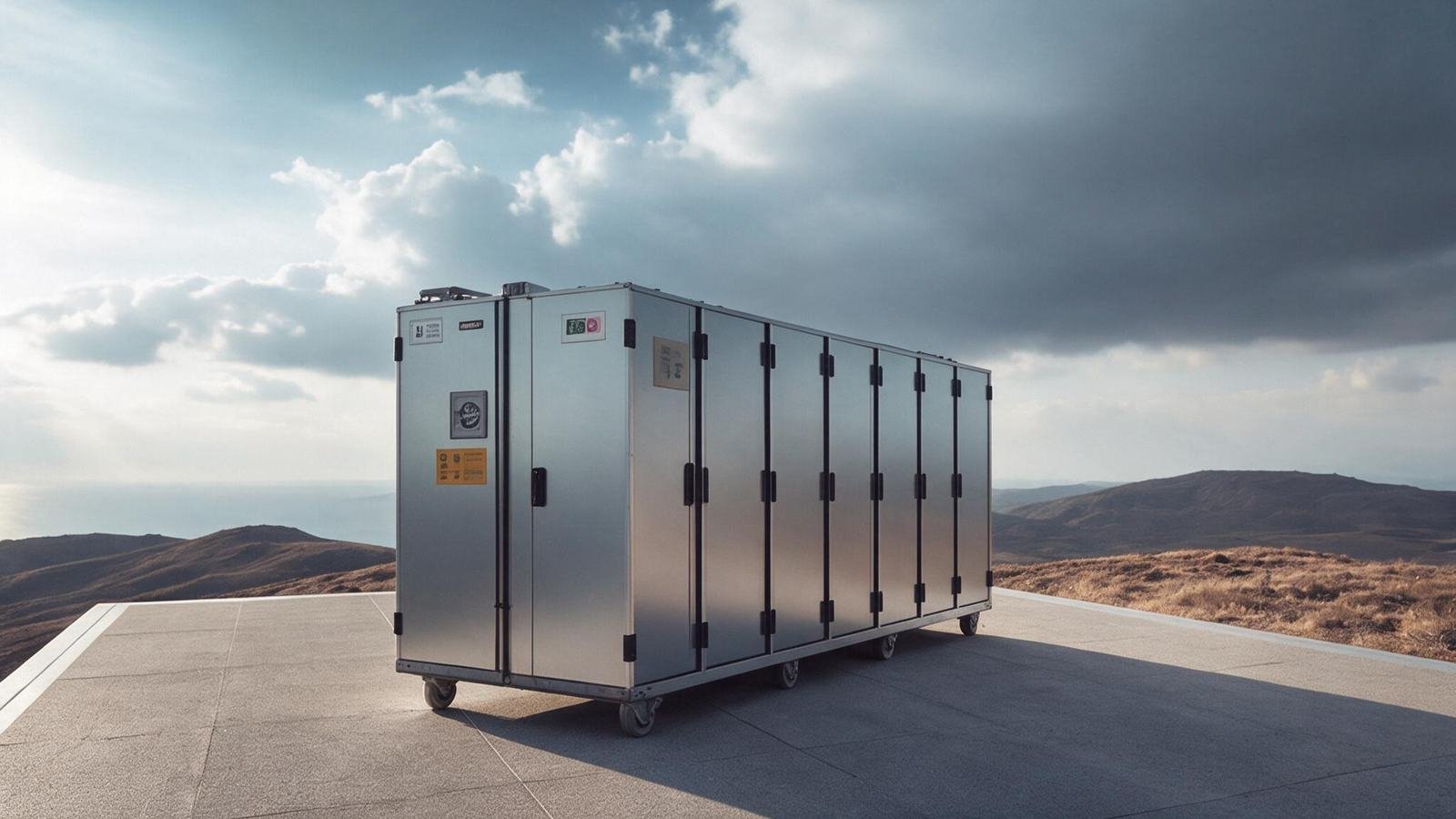
SNAM and ANAS have issued favourable opinions. MIMIT, the Superintendence, VPIA, ENAC, the Municipality, the Region, the Province, the Traffic and Basin Authorities, ARPA and the Military Command all provide non-binding opinions to the Ministry.
One item remains open: the Fire Department has requested a meeting and resubmission. It sits on the critical path to authorisation and is being actively managed.
Italy · Tuturano, Puglia

A 202 MWh storage asset in Puglia, connecting in antenna configuration at 36 kV to the planned expansion of the 380/150 kV Brindisi Sud substation, 1.8 km away by underground route.
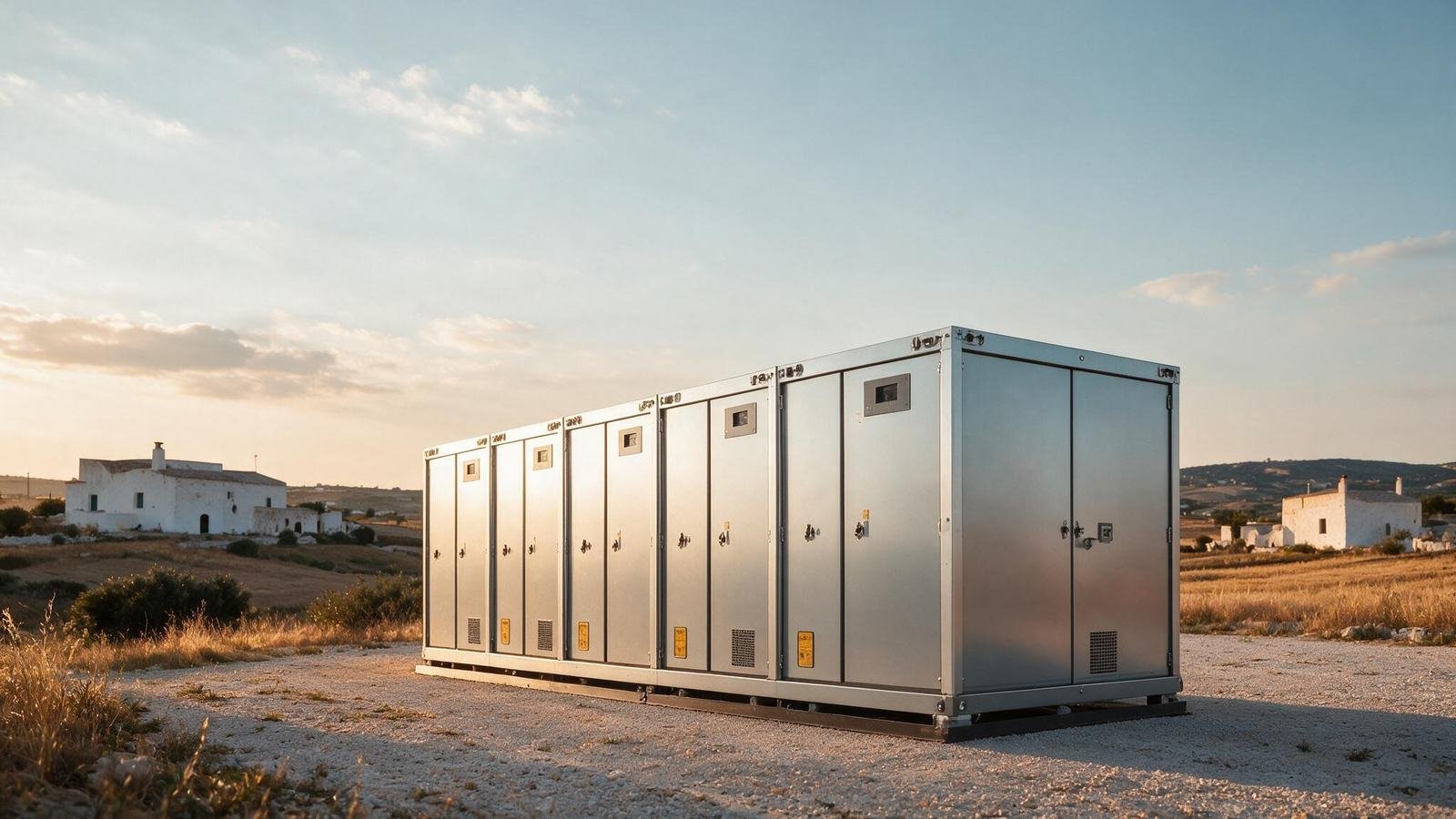
Twelve favourable opinions to date: the Fire Department, MIMIT, ENAC, the Customs Agency, the Basin Authority, ARPA, the Military Command, SNAM, ANAS and the Province on storm water discharge, with the Traffic Authority and Apulian Water Authorities favourable subject to execution-phase prescriptions.
Outstanding: integration feedback from the Municipality and the Apulian Aqueduct.
Italy · Clean technology
Not every Italian holding is grid-scale. Photon builds rugged, all-in-one solar generator platforms that deliver silent, fuel-free power where conventional infrastructure is limited or unavailable.
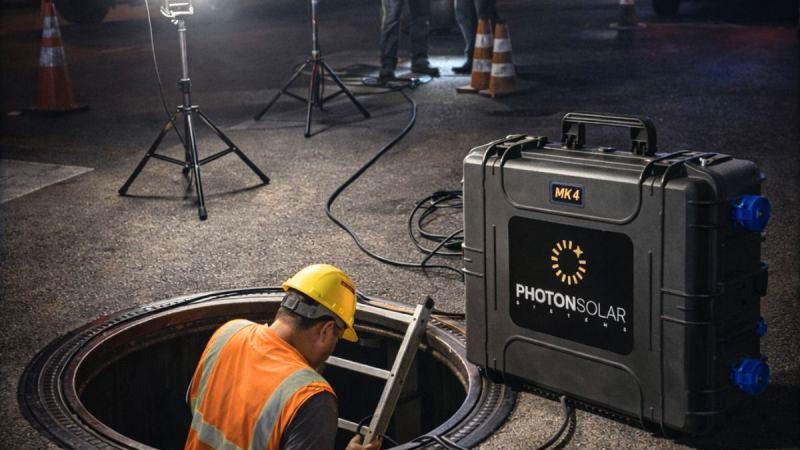
Built around the Photon MK4, the system combines integrated battery storage, foldable solar panels, multi-source charging and remote app control in a compact, deployable format.
Photon is a venture holding rather than a permitted infrastructure asset. It carries earlier-stage risk than the two storage projects above.
Global portfolio
Every opportunity here clears the same eight-step selection process as the Italian infrastructure. The portfolio is built to balance permitted assets with capital preservation and carefully vetted innovation — so investor capital is never a single bet.

Scotland & Portugal · Route to market

Lusco connects Scottish producers with buyers in the USA, India and Japan while protecting producer relationships and brand equity — a real-asset, non-correlated line in the portfolio.
Capital preservation · Up to 25% of the portfolio

An optional overlay targeting a defined 7% p.a. return across different market conditions, giving the portfolio a steady line alongside its development and venture holdings. Subject to the final investment structure.
Validated innovation · accessed through MSCA


Secured bond access to early-validated technologies across energy, digital infrastructure, agri-tech, healthcare and water.
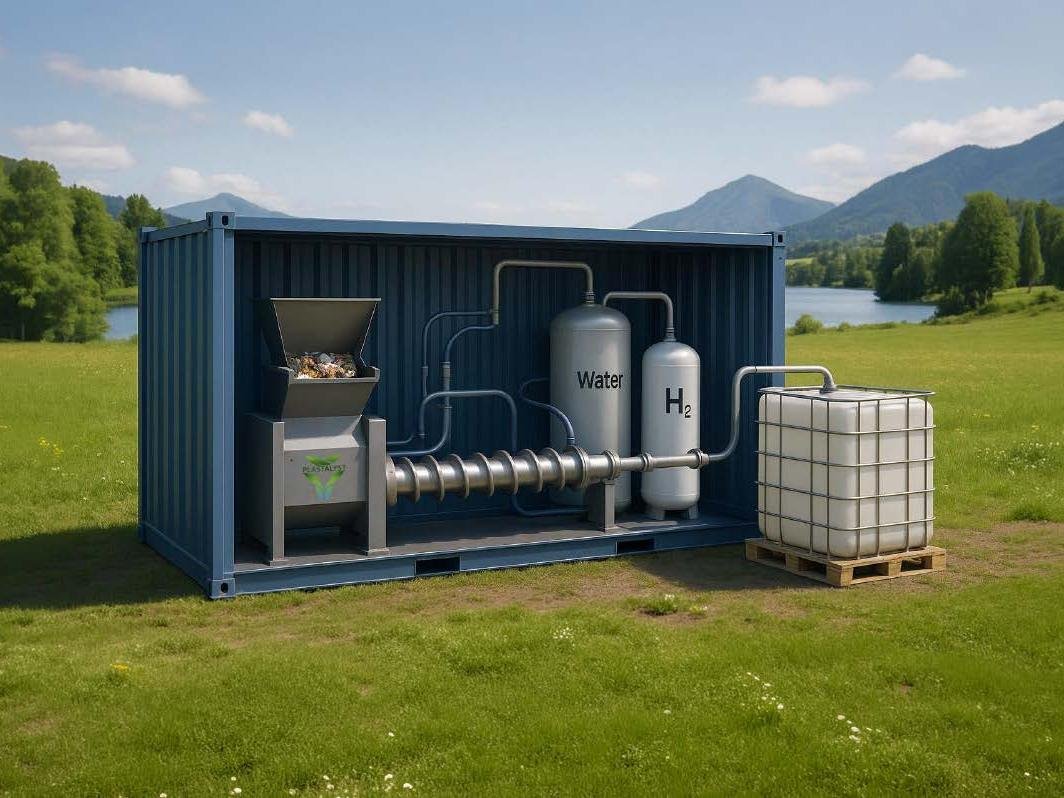
Solvent-free chemolysis converting mixed and multi-layer plastics into monomers, syngas and biochemicals.
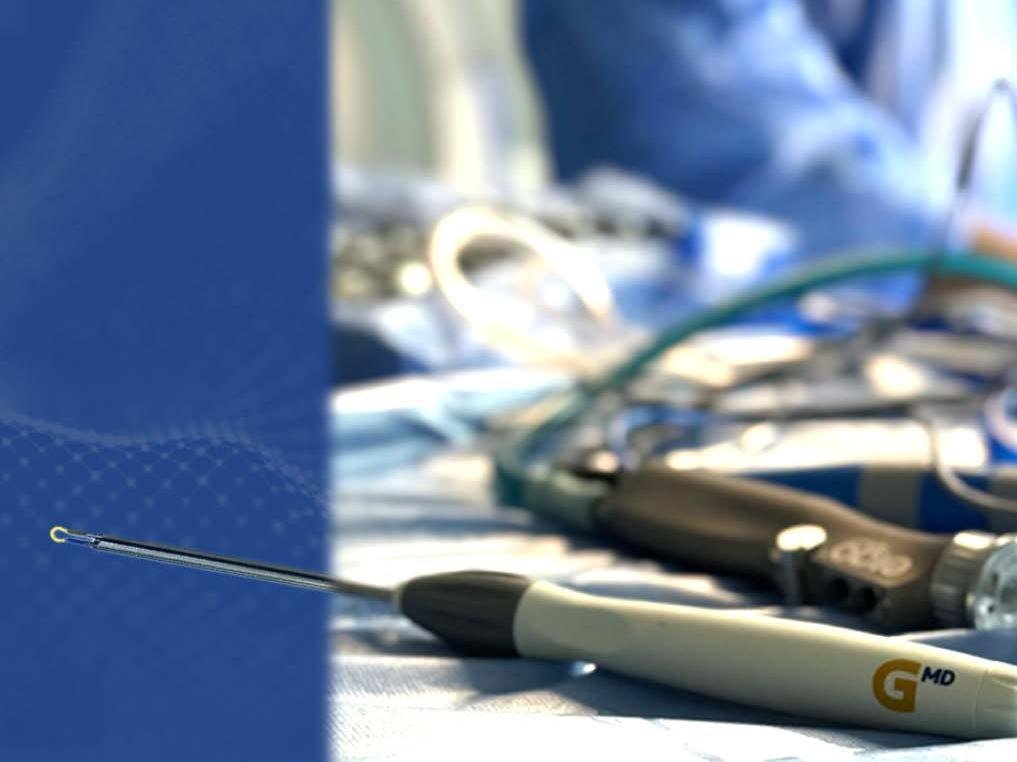
A plasma-based arthroscopic device combining cutting and coagulation in one instrument. Clinically validated.

Antimicrobial, biodegradable VetiFilm wound dressings. Patent protected, in pilot production.

Frequency-based, non-invasive devices with applications being explored in rehabilitation and assisted care.
A strategic partnership opening validated opportunities across agri-tech and food, medical and green healthcare, digital infrastructure and automation, and renewable energy and storage.
Ventures shown are examples of pipeline access and are at varying stages of development. Inclusion here is not a commitment to invest, and earlier-stage ventures carry materially higher risk than permitted infrastructure.
Proven case studies
Before Italy, the team ran the same acquire-advance-de-risk-exit sequence on two Portuguese assets. They are why Avellino and Tuturano are credible — the discipline producing finished, institutionally saleable infrastructure.
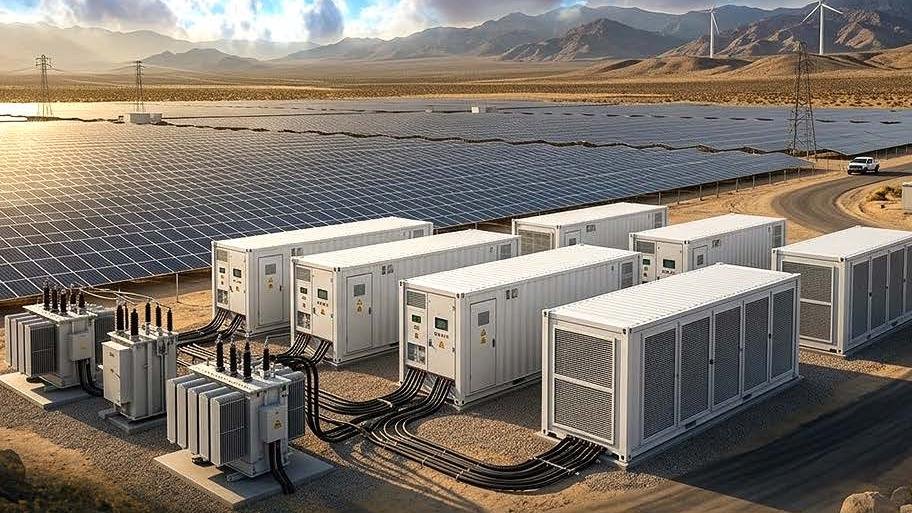

A 200 MW utility-scale solar park with capacity for 150 MW / 600 MWh of battery storage, positioned beside the Tavira 400 kV transmission hub to reach Portugal’s high-capacity grid and the cross-border flows into Spain.
What it proved: grid-node positioning, not panel count, is what re-rates a renewable asset — and a hybrid platform can carry solar output, intraday spreads, balancing and ancillary services on one connection.
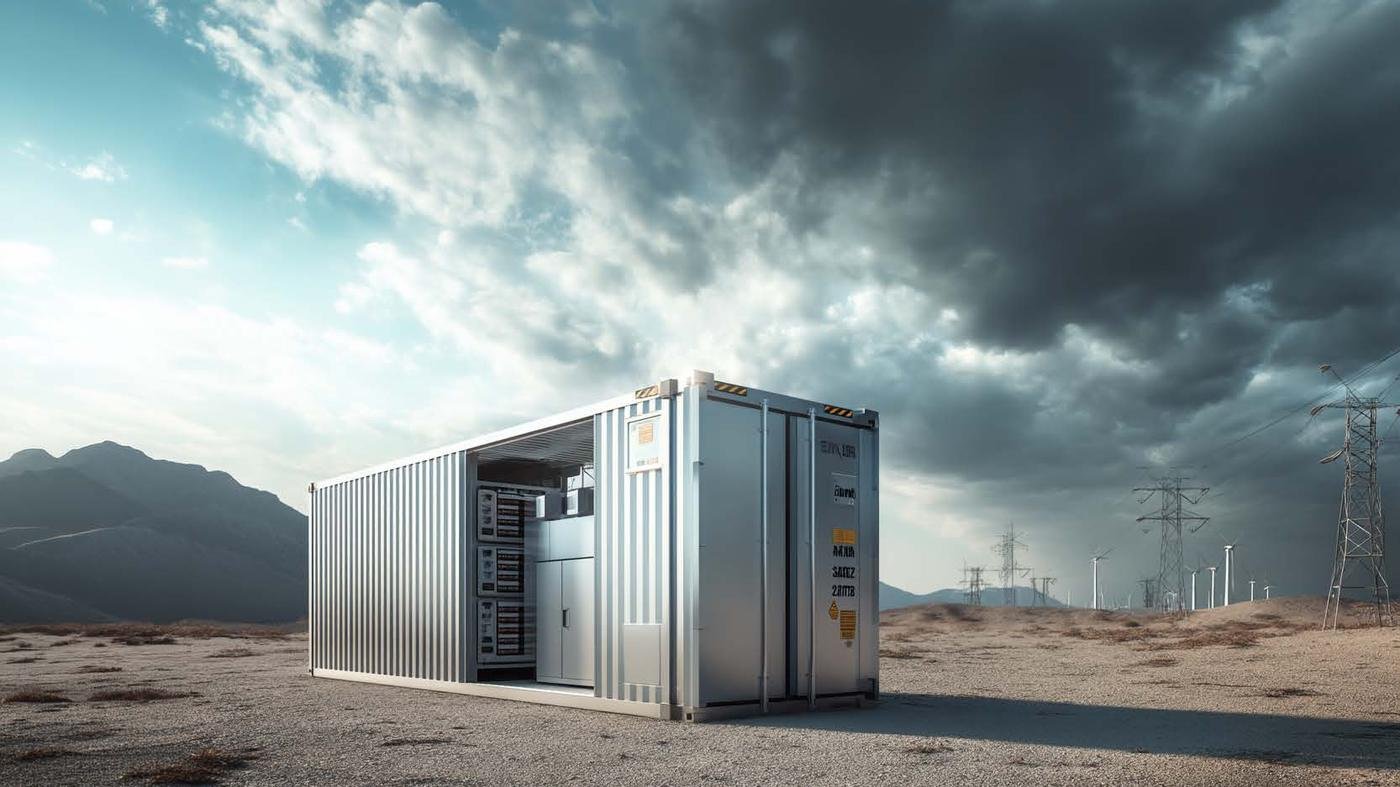

A 30 MW / 120 MWh grid-connected battery designed to monetise volatility through optimiser-led dispatch across wholesale, balancing and ancillary-service markets — and to seed a broader Iberian storage portfolio.
What it proved: a pure storage asset stands on its own economics without generation attached. It is the template Avellino and Tuturano are built on, at roughly six times the energy capacity.
Santa Marta and Baloiço are shown as development track record. They are Portuguese assets and are not the subject of NuoVelo Capital’s qualifying Italian investment.
From cell to grid
Low-voltage DC leaves the batteries, inverters convert it, medium-voltage cable carries it to the user substation, and a high-voltage duct delivers it into Terna’s national transmission network.
BESS field
Lithium iron phosphate cells, selected for thermal stability, wired on low-voltage DC.
Conversion
Paired DC/AC inverters per unit, collected onto a medium-voltage cable network.
User substation
Steps the collected output up to transmission voltage for the connection route.
Terna RTN
Underground duct into the existing substation — Bisaccia at Avellino, Brindisi Sud at Tuturano.
Technical memoranda for Avellino and Tuturano, and the portfolio information pack, are available to qualified investors and professional partners on request.